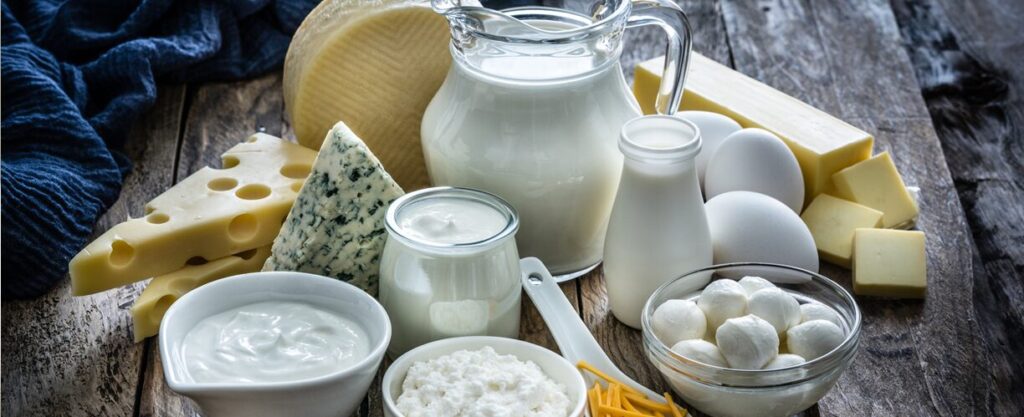
Viruses in Your Yoghurt? The Tiny Predators of Beneficial Bacteria
When you think of viruses, you probably imagine diseases like the flu or plant blights. But did you know viruses also infect bacteria? These tiny invaders, called bacteriophages (or phages), are nature’s most precise predator; they target specific bacteria, leaving others untouched. They have recently gained fame as antibiotic alternatives through phage therapy to treat us from bacterial infections.
And here’s the twist: some of the bacteria they attack are the good guys that make your food tasty, healthy, and safe.
Meet the Heroes: Lactic Acid Bacteria
Lactic acid bacteria (LAB) are the powerhouse microbes behind yoghurt, cheese, and other fermented foods. They turn sugars in milk into lactic acid, which curdles the milk, gives it texture, and adds that signature tangy flavour.
But LAB do more than just make food delicious; they also support gut health, promoting good bacteria in your intestines. That’s why they’re the stars of the growing probiotic food trend.
When Viruses Crash the Party
Phages sneak into LAB cells, hijack their machinery, and multiply until the bacteria burst. In the dairy world, this can lead to:
- Slow or failed fermentation – your milk won’t curdle properly.
- Lower-quality products – texture, taste, and safety all take a hit.
- Higher contamination risk – without LAB competing with harmful bacteria, pathogens can get a foothold.
In short, one tiny virus can ruin an entire batch of yoghurt or cheese.
Where Do These Phages Come From?
The main source is raw milk, where phages float freely or hide inside wild LAB strains. Other contributors include equipment, workers, and the environment, but those are easier to control with proper cleaning.
How Dairy Plants Fight Back
Phages are tough to beat, but the industry has some tricks:
- Heat Treatments
Pasteurization and ultra-high-temperature (UHT) processes kill many viruses. But too much heat can change taste, smell, and texture, so producers balance carefully. - Chemical Cleaners (Biocides)
Sanitizers like ethanol, sodium hypochlorite, and peracetic acid disinfect equipment quickly without harming the food. - High-Pressure Processing
Techniques like high-pressure homogenization use sudden pressure changes to smash viral particles while keeping milk fresh. - Light-Powered Reactions (Photocatalysis)
Phages can float in the air for long periods, but light-driven chemical reactions help neutralize them in dairy plants.
Even with these methods, phages remain a challenge worldwide, capable of slowing fermentation, reducing acid production, and hurting product quality—leading to economic losses.
Why This Matters to You
The tiny battle between phages and beneficial bacteria shapes the quality of your yoghurt, cheese, and other fermented foods. Understanding these invisible predators ensures safer, tastier, and healthier dairy products, and explains why probiotics are more than just a trend; they’re the outcome of a carefully managed microbial ecosystem.
Sources
- Gutiérrez, D., et al. (2019). Role of Bacteriophages in the Implementation of a Sustainable Dairy Chain. https://doi.org/10.3389/fmicb.2019.00012
- Guglielmotti, D. M., et al. (2012). Review: Efficiency of Physical and Chemical Treatments on the Inactivation of Dairy Bacteriophages. https://doi.org/10.3389/fmicb.2011.00282
- Marcó, M. B., Suárez, V. B., Quiberoni, A., & Pujato, S. A. (2019). Inactivation of Dairy Bacteriophages by Thermal and Chemical Treatments. Viruses, 11(5), 480. https://doi.org/10.3390/v11050480
- Szczepankowska, A., et al. (2013). Lactic Acid Bacteria Resistance to Bacteriophage and Prevention Techniques to Lower Phage Contamination in Dairy Fermentation.
- Cover image source: Yoghurt nutrition



This comment has been removed by a blog administrator.
[…] and robust studies are underway to develop these. But have you ever thought that phages can be harmful too, killing the beneficial bacteria, which can harm the entire biological process? Yes, you read […]
[…] Audmula to Fight Against Phages | The Phage on Bacteriophages: The microscopic enemy of the dairy industry […]