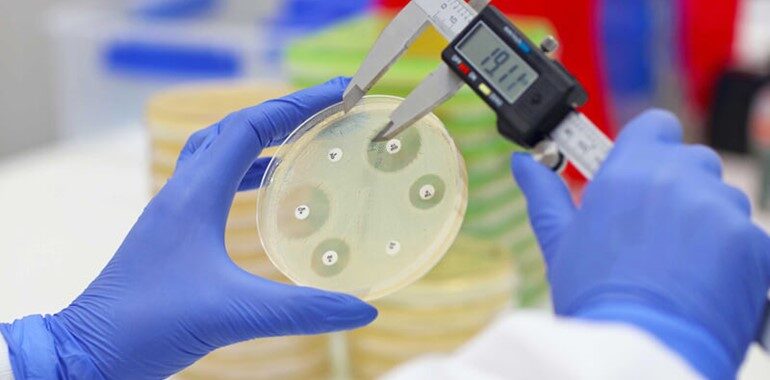
In osteomyelitis cases, MRSA (Methicillin Resistant Staphylococcus aureus) is the most common pathogen associated. As the infection is deep-seated, treatment with antibiotics has always faced failures. This scenario, along with the biofilm formation on in vivo devices, has created even more menace in hospital settings for conventional antibiotic treatments. All this is leading to anti-microbial resistance(AMR), a global health pandemic today. With the recent advances in phage therapy and the clinicians and researchers advocating phage therapy, personalised phage therapy has seen a new dawn.
In a recently published peer-reviewed case report in the International Journal of Infectious Diseases, a critical case of chronic MRSA Vertebral osteomyelitis involving spinal hardware was resolved using personalised phage therapy. This study was conducted at the Military University Hospital, Prague. Placement of invasives is the most challenging infection scenario in terms of antibiotic treatment.
A woman aged 60, with vertebral osteomyelitis and discitis, having a non-removable implant, was diagnosed with chronic MRSA and received multiple antibiotic regimens. Over the course of time, the patient developed hypersensitivity to most available antibiotics. The case was further supported by FAGOFARMA, a biotechnology company specializing in bacteriophage-based research and therapeutics. The main focus of this Spanish company is on the development, research, and production of biotechnological preparations based on bacteriophages and transfer it into clinical practice.
Targeted bacteriophages were matched to the patient’s isolate and administered alongside antibiotics. The patient received around 35 intravenous doses of anti-staphylococcal bacteriophage therapy with antibiotics, which was administered with approval from the National regulatory authority, over a period of 8 weeks. As the bacteriophages are specific to the target bacteria, the patient responded well, with no adverse events observed, and now remains in good clinical condition without signs of infection relapse.
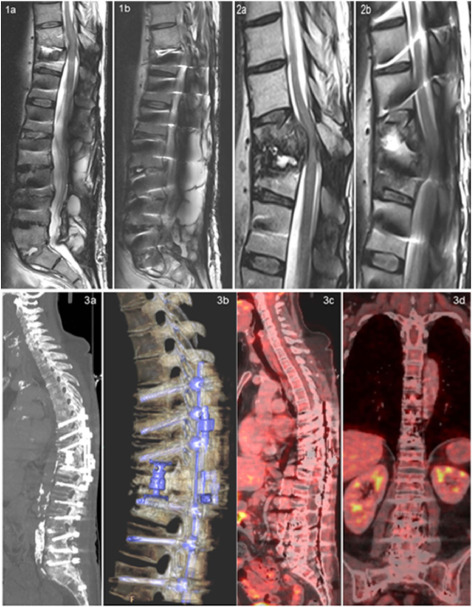
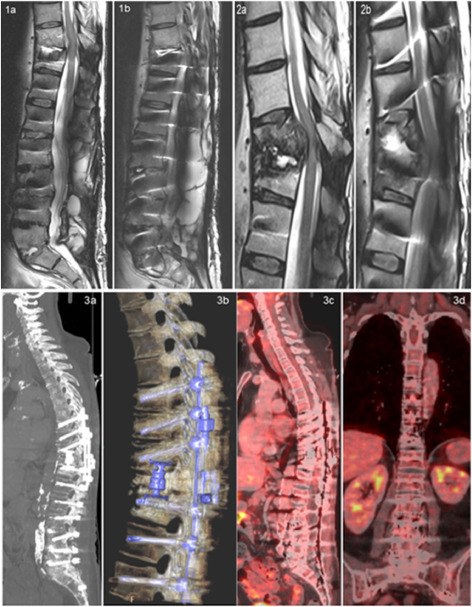
FDG PETCT in April 2025 3a 3d shows extensive spinal instrumentation without a residual FDG avid inflammatory focus in the spine or paravertebral tissues
In times when antimicrobial resistance (AMR) is at its peak, and no new antibiotic is being discovered, phage therapy has turned out to be a ray of hope for many such failed AMR cases. With regulatory bodies seeking more factual data on the field to implement phage therapy in mainstream, this successful phage therapy case report is yet another accomplishment to add to the data required.
Note: Study published in the International Journal of Infectious Diseases. The image source is from the case study.
For more phage-related news and research articles, check here