Europe is taking a significant step towards bringing bacteriophage therapy closer to routine clinical use, with the creation of a new specialist group focused on how these viruses are tested against bacterial infections.
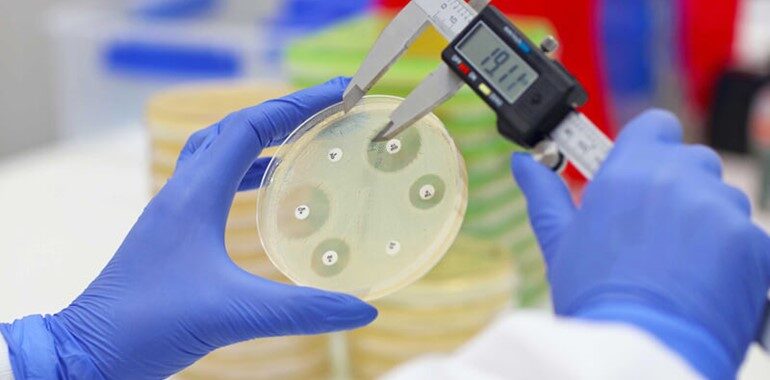
Lytic bacteriophages, viruses that infect and kill bacteria, are increasingly being explored as an addition to traditional antibiotics, particularly for infections that no longer respond to existing drugs. However, one of the major challenges facing phage therapy has been the lack of standardised methods to assess which phages are most effective against specific bacterial strains.
To address this gap, the European Committee on Antimicrobial Susceptibility Testing (EUCAST) has established a dedicated Phage Susceptibility Testing (PST) Subcommittee. The group will focus on developing harmonised laboratory approaches to evaluate the activity of therapeutic phages, a key requirement for wider clinical implementation.
EUCAST plays a central role in setting antimicrobial susceptibility testing standards across Europe, and its move into phage testing reflects growing interest in alternative strategies to tackle antimicrobial resistance.
The new subcommittee brings together experts in microbiology, infectious diseases, and phage research from across Europe and beyond. It will be chaired by Frédéric Laurent, with Annika Classen serving as Scientific Secretary. Representation from the EUCAST Steering Committee will be provided by Christian Giske.
Other members include Ran Nir-Paz, representing the European Society of Clinical Microbiology and Infectious Diseases Study Group for Non-Traditional Antimicrobials, alongside Gregory Resch, Martha Clokie, and Jean-Paul Pirnay.
By establishing clear and reproducible testing standards, the PST Subcommittee aims to support clinicians in selecting the most appropriate phages for individual patients. Experts say this could help integrate phage therapy more safely and consistently into healthcare systems, particularly for patients with limited treatment options.
While phage therapy remains a specialised and developing field, the creation of the EUCAST PST Subcommittee signals growing institutional support for moving phage-based treatments from experimental use towards more structured clinical practice.