France Marks 100th Patient Treated With Phage Therapy in Fight Against Drug-Resistant Infections
•
3 min read
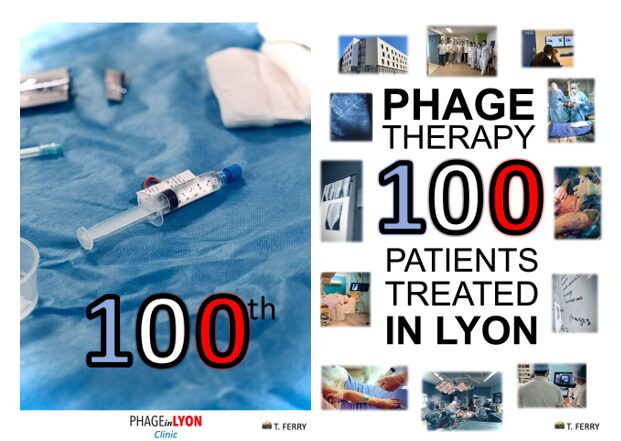
In a quiet but significant moment for modern medicine, clinicians in Lyon, France, have treated their 100th patient using pharmaceutical-grade bacteriophage therapy, a milestone that reflects growing momentum behind alternative approaches to antimicrobial resistance (AMR).
The achievement was announced by infectious diseases specialist Dr Tristan Ferry, coordinator of the regional referral centre for complex bone and joint infections (CRIOAc) in Lyon, who described the milestone as the result of years of sustained clinical, scientific and human commitment.
“Behind this number,” he said, “are complex medical journeys, situations of therapeutic dead-end, and patients for whom innovation was essential.”
“The use of pharmaceutical-grade phages is significantly growing, and more and more patients with complex clinical situations can now be evaluated by a multidisciplinary team to discuss the relevance of phage therapy and how patients should be treated.”
Dr Tristan Ferry
A therapy used when options run out
Phage therapy, which uses naturally occurring viruses to infect and destroy bacteria, has been used in Lyon primarily in cases where conventional antibiotics have failed. Many patients referred to the programme suffer from persistent, relapsing or life-threatening infections, often involving implanted medical devices.
Each case requires individual assessment. Clinicians must identify active phages from collections in France or abroad, determine how they should be administered, and carefully monitor outcomes.
According to Dr Ferry, the milestone reflects a broader shift in how such treatments are being considered.
“It means that the use of pharmaceutical-grade phages is significantly growing,” he explained. “More and more patients with complex clinical situations can now be evaluated by a multidisciplinary team to discuss whether phage therapy is relevant, and how it should be used.”
Targeting biofilms — a key advantage
One of the defining features of phage therapy lies in its ability to act on bacterial biofilms, sticky protective structures that allow bacteria to evade antibiotics and trigger recurring infections.
By attacking both free-floating bacteria and those embedded within biofilms, phages offer a mechanism that antibiotics alone often cannot achieve.
Clinicians involved in the Lyon programme describe the approach not as a replacement for antibiotics, but as a complementary strategy, particularly in advanced or resistant infections.
The 100th patient
The 100th patient currently undergoing treatment in Lyon is affected by a complex Staphylococcus aureus infection involving a knee prosthesis, a condition where preserving the implant is critical for mobility and quality of life.
A personalised treatment plan has been initiated, combining intravenous phage therapy with targeted local injections guided by ultrasound.
While the clinical outcome remains under observation, the decision to begin treatment itself has been described by the medical team as a moment of renewed hope.
“We do not know what the future holds,” Dr Ferry noted, “but starting treatment for this patient is an important step, one that fills us with optimism.”
Built on collaboration and trust
The programme’s progress has relied on extensive cooperation between clinicians, researchers, regulators and patients.
At the centre of it all, Dr Ferry emphasised, is patient trust.
“The confidence of patients and their families is fundamental,” he said. “Without it, none of this would be possible.”
Looking ahead
Although phage therapy remains an exceptional treatment rather than routine care, clinicians believe its role will continue to expand.
“The future,” Dr Ferry said, “is a more common use of phage therapy for severe bacterial infections in hospitals, through compassionate use, but also through properly designed clinical trials.”
As antimicrobial resistance continues to rise worldwide, the Lyon milestone is being viewed as a signal of cautious progress rather than a final destination.
Phage therapy, long discussed as a possibility, is increasingly becoming part of real clinical practice — one patient at a time.
“For these 100 patients,” Dr Ferry reflected, “phage therapy is no longer theoretical. It is already part of their care.”
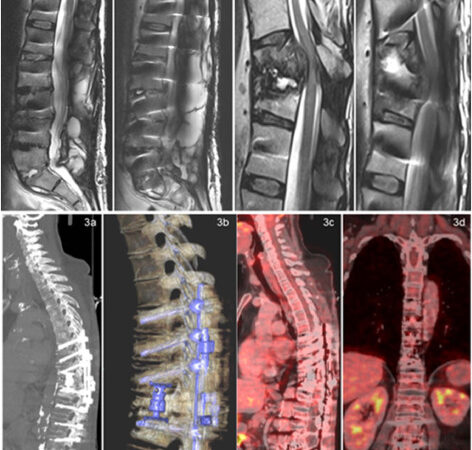
In osteomyelitis cases, MRSA (Methicillin Resistant Staphylococcus aureus) is the most common pathogen associated. As the infection is deep-seated, treatment…