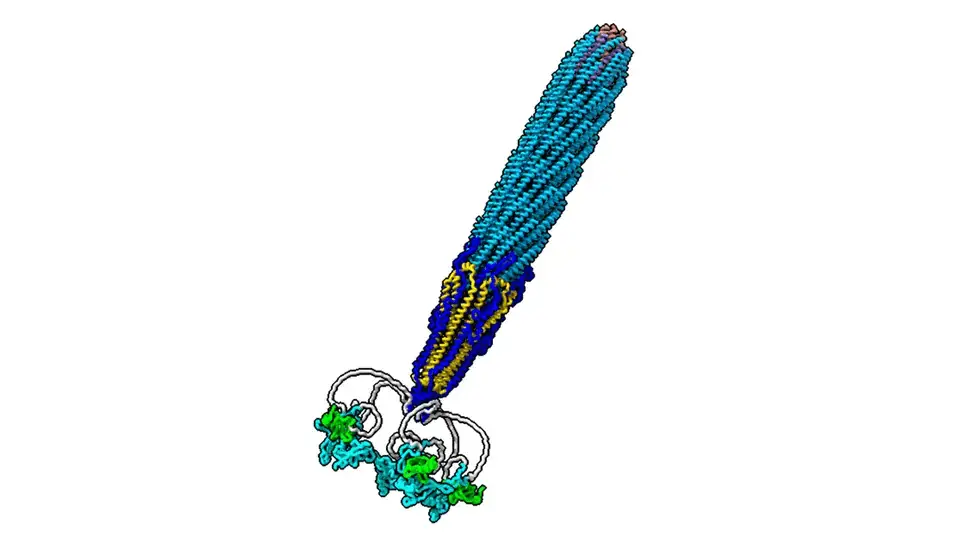
Unlocking the Secrets of Phages: Revolutionizing Biotechnology with New Structural Insights
Phages, the intriguing viruses that target bacteria, have long held the key to a variety of applications in biotechnology and medicine. In…
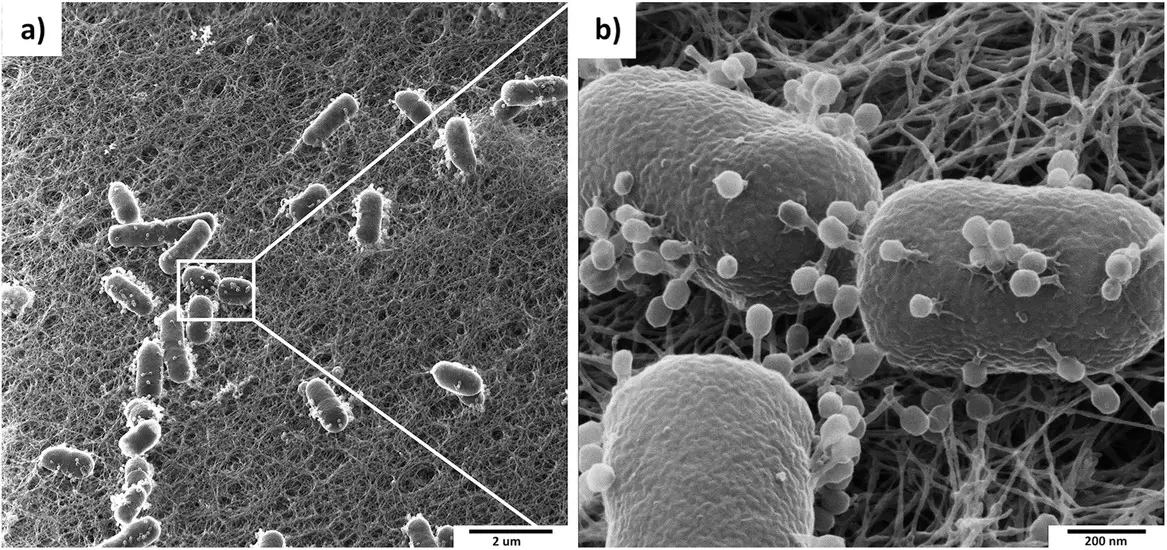
Bacteriophage research has seen a resurgence in recent years due to its potential for treating antibiotic-resistant bacteria. One of the critical ways…
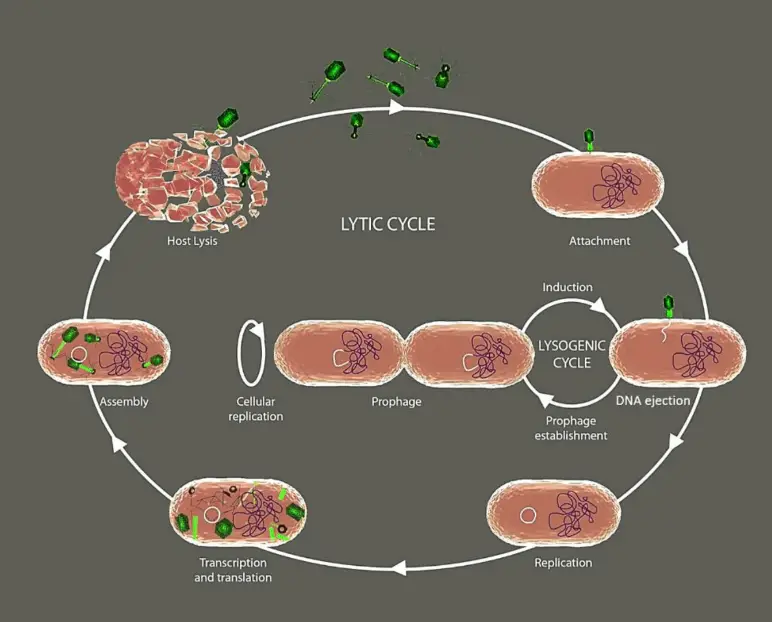
Phages, like other viruses, have a complex life cycle that causes them to be classified as non-living, despite the fact that they exhibit some…
A virus is a microscopic, intracellular parasitic organism. It infects the host cell and uses its chemical machinery to make its own…
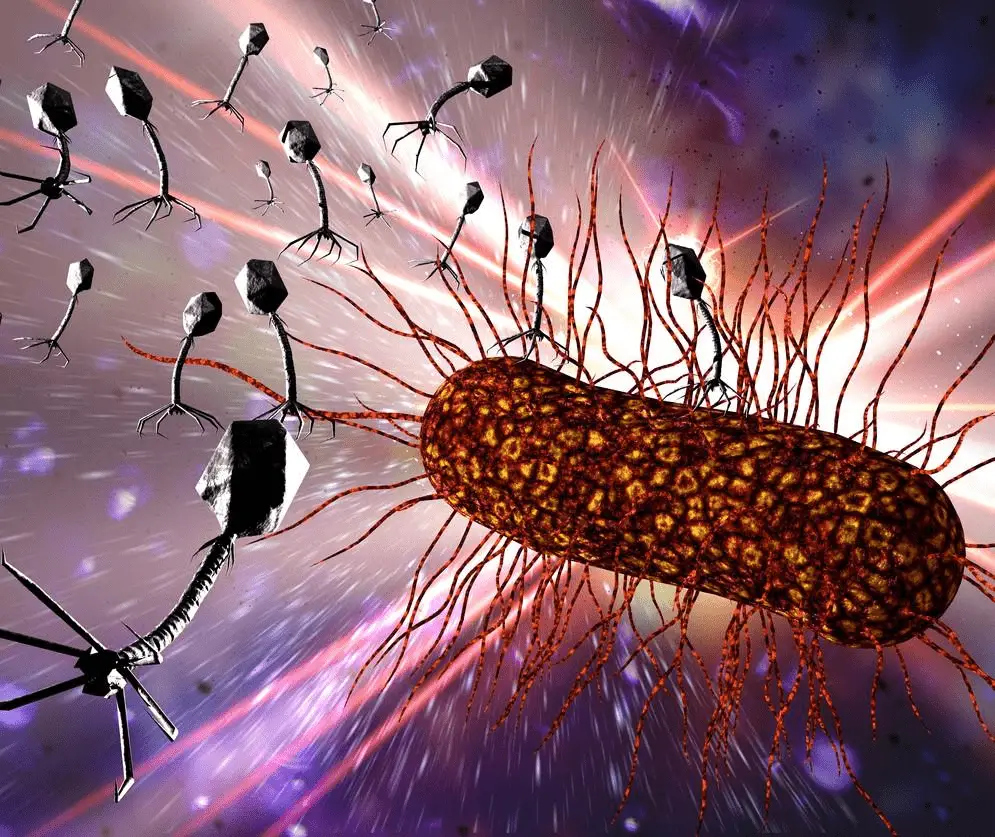
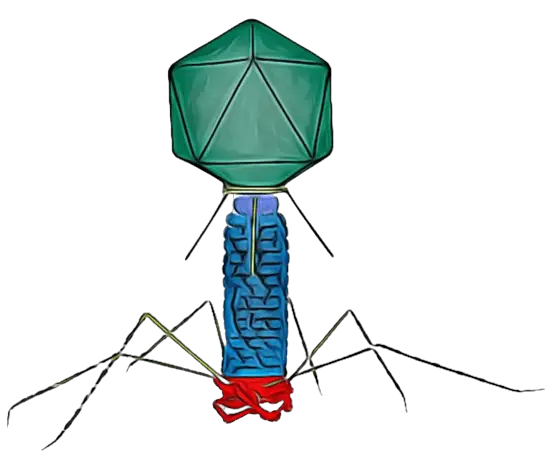
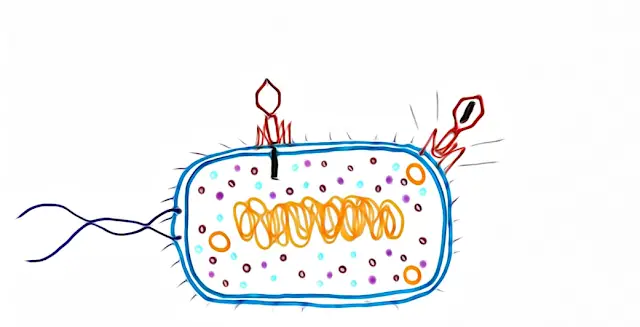
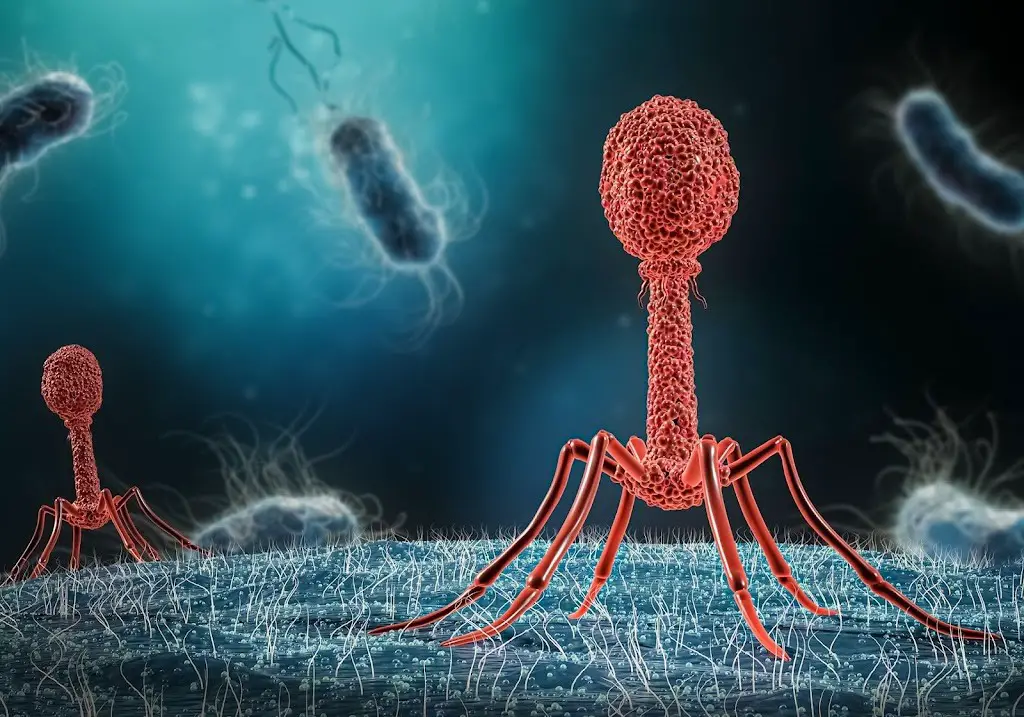
Phages or Bacteriophages are viruses that mainly infect bacteria. They are highly specialized and have evolved over time to become the most…
The primary distinction between prophage and bacteriophage is that prophage is a viral genome that has been integrated into a bacterial genome,…
Due to its development as a hybrid of filamentous phage and plasmids, a phagemid is a cloning vector that can grow as…
The most often utilized bacteriophages in phage display are filamentous bacteriophages from E. coli (f1, fd, and M13), while T4, T7, and…
Bacteriophage is a term used to describe viruses that infect bacteria and archaea. While most phages are ‘micro predators’ that kill their…
Game theory is widely used to analyze economic and social behaviours. Game theory is also used to analyze biological behaviour as well,…